
Roofing Contractors on Colorado's Western Slope and Mountains
Roofing contractors across Colorado's Western Slope and mountains — Grand Junction, Durango, Steamboat Springs, Montrose, Glenwood Springs.
- 7 cities covered
- Independent local contractors
- Free storm inspections
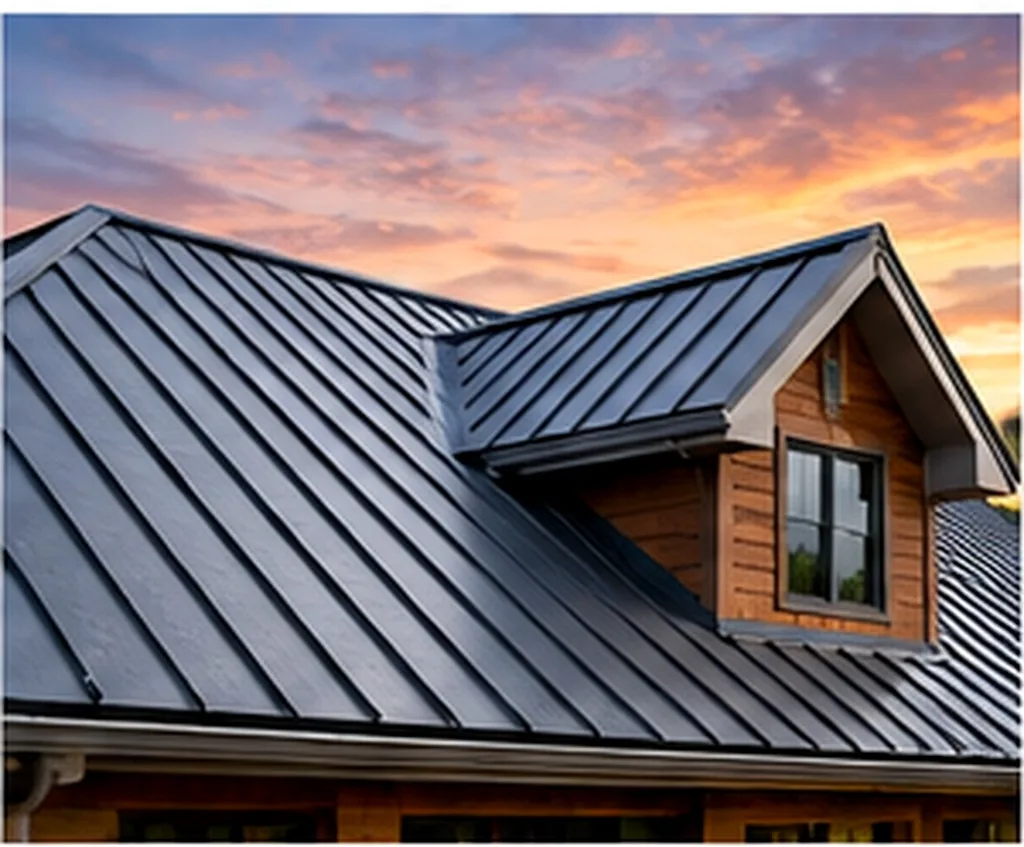
Colorado's Western Slope sits outside Hail Alley, so roofing here is driven by ultraviolet degradation and snow load rather than hail claims. Grand Junction and the Grand Valley face high-desert UV and thermal cycling, while mountain communities like Durango and Steamboat Springs face some of the heaviest snow loads in the state.
A fundamentally different roofing market
The single most important thing to understand about roofing west of the Continental Divide is that it is not a hail market. Colorado's Hail Alley exposure is concentrated on the eastern side of the state, and the Western Slope sits outside it.
That changes the whole character of the business. On the Front Range, roofing runs on insurance claims — storms drive demand, adjusters set scope, and after major events out-of-state operators flood the market. On the Western Slope, replacement is usually a planned purchase funded by the owner at the end of a roof's service life. Contractors tend to be long-established local businesses, scheduling is more predictable, and there is no post-storm chaser problem.
It also means material choice genuinely matters more. When an insurer is paying, the scope is largely determined by the settlement. When you are paying, the long-term value calculation is yours — which is why metal roofing gets far more serious consideration here than on the eastern plains.
The Grand Valley: UV and thermal cycling
Grand Junction and Fruita sit in high desert country where abundant sunshine and hot summers are the dominant ageing factors. Sustained ultraviolet exposure breaks down asphalt shingle binders and strips granules, and roofs here typically fail through gradual degradation rather than a single damaging event.
Thermal cycling compounds that. Desert conditions produce large daily temperature swings, and repeated expansion and contraction works at fasteners, seams and flashing year after year. Flashing detail and fastener quality matter more in this climate than in a milder one, because they are being worked constantly.
Further west and south, Montrose sits higher and sees real snow alongside the UV exposure, and Rifle occupies an intermediate position in the Colorado River valley with moderate snow and significant sun.
Mountain communities: snow is everything
In the high country the calculation changes completely. Steamboat Springs and Durango face some of the heaviest snow loads in Colorado, and roofs there must be structurally capable of carrying substantial accumulation through a long winter. A roof specified for Front Range conditions would not be adequate.
Ice damming is the persistent operational problem at altitude. Long winters with repeated melt-and-refreeze cycles push meltwater backwards under roofing materials wherever attic heat escapes unevenly. The durable fix is always attic insulation and ventilation rather than the covering — a contractor proposing heat cable without assessing the attic is treating a symptom.
Metal roofing is close to standard in these communities because it addresses both problems at once: shedding snow reduces structural loading and largely eliminates ice damming. Where metal is used, snow retention systems above entries, walkways and parking are a safety requirement, not an upgrade. Glenwood Springs adds a further complication — steep canyon terrain causes snow to drift and load roof planes unevenly, which stresses a structure more than uniform accumulation.
Contractor density west of the Divide is thinner than on the Front Range, and travel distances between jobs are long, so scheduling works differently here. We will give you a realistic timeframe rather than an optimistic one when you contact our Colorado roofing referral line, and we will say plainly if your community sits beyond the areas our network reliably reaches.
Cities we cover in Western Slope & Mountains
Each city page covers the local housing stock, storm exposure and permitting arrangements for that specific community, along with the roofing services most requested there.
Western Slope & Mountains roofing questions
Does the Western Slope get hail?
Far less than the Front Range. Colorado's Hail Alley exposure is concentrated on the eastern side of the state, and the Western Slope sits outside it. Hail occurs occasionally, but it is not the dominant roofing driver here the way it is in Denver or Colorado Springs.
What causes most roof failures on the Western Slope?
In the Grand Valley, ultraviolet degradation and thermal cycling — abundant sun breaking down shingle binders while large daily temperature swings work at fasteners and flashing. In the mountains, snow load and ice damming. Neither is storm-claim driven the way Front Range roofing is.
Why is metal roofing so common in Colorado mountain towns?
It solves the dominant local problem directly. Metal sheds snow rather than accumulating it, which reduces structural loading and largely eliminates ice damming, and quality coated metal handles high-altitude UV well. Snow retention systems are essential wherever released snow could fall on people below.
Find a roofer in Western Slope & Mountains
Call and we will connect you with an independent local roofing contractor who covers your area. Most storm damage inspections are free.
(720) 791-0495Mon–Fri 7am–7pm · Sat 8am–5pm · Sun 9am–4pm (MT)