
Storm Damage Roof Repair in Colorado
Storm damage roof repair across Colorado — wind, snow, ice and fallen limbs.
- Free storm damage inspections
- Independent local contractors
- Written scope and documentation
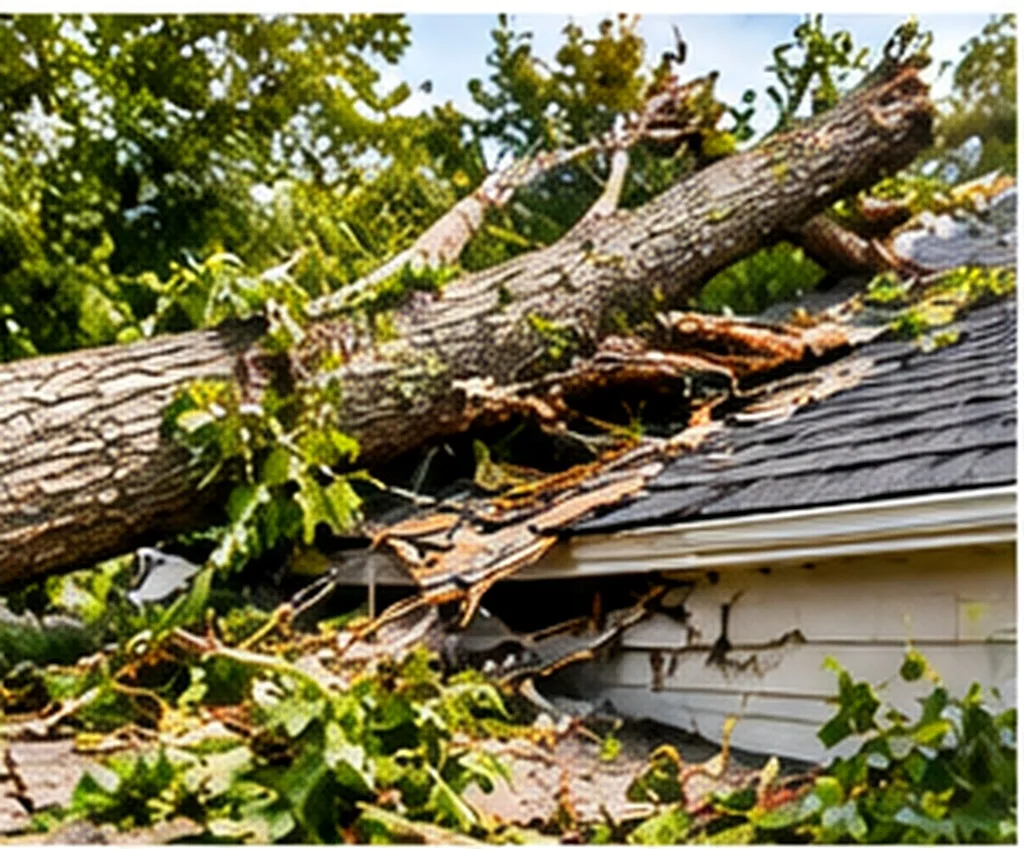
Storm damage roof repair covers wind, snow, ice and impact damage from debris — blown-off shingles, lifted ridge caps, torn flashing, ice dams and fallen limbs. Colorado roofs face high Chinook winds along the Front Range and heavy snow loads at altitude, so storm damage here extends well beyond hail.
The storm damage Colorado roofs actually take
Hail gets the attention, but it is not the only way Colorado weather damages a roof. The state produces an unusually broad range of destructive conditions, and each one attacks the roof differently.
Downslope windstorms are the big one along the Front Range. When air accelerates down off the foothills, gusts in the Boulder–Fort Collins corridor and through the Palmer Divide can reach speeds that strip shingles outright. These events are concentrated in winter and early spring, outside the hail season entirely, and they affect communities like Boulder, Superior and Louisville disproportionately.
At altitude the problem reverses: it is accumulation rather than force. Snow loads in the mountains stress the structure, drifting loads unevenly on complex roofs, and the repeated melt-and-refreeze cycle drives ice damming. Then across the whole state there is debris impact — limbs coming down on roofs during wet spring snow, when heavy snow loads onto trees that still have leaves.
The storm damage we get called about most:
- Wind-lifted and blown-off shingles, concentrated along ridges, hips and rake edges where uplift pressure peaks.
- Torn or displaced flashing at walls, chimneys and skylights after sustained high wind.
- Ice dams at eaves and valleys, forcing meltwater backwards underneath the shingle course and into the structure.
- Snow load stress, showing as deck sagging between rafters or, in severe cases, structural deflection.
- Fallen limbs and tree strikes, which can puncture the deck and need immediate stabilisation.
- Displaced ridge caps and vents, leaving direct openings into the attic.
- Gutter and downspout failure under ice loading, which then redirects water against the fascia and foundation.
What to do first when a storm damages your roof
The priority order is safety, then stopping further damage, then documentation. Insurance policies generally require you to take reasonable steps to prevent additional damage, so a temporary repair is not just sensible — it protects your claim.
If water is entering the building or material is hanging loose, that is an emergency. Contractors can tarp a damaged section to stop water intrusion until a permanent repair is scheduled — see emergency roof repair for what that response involves and how quickly it can happen.
Photograph everything before any temporary work is done, and keep receipts for anything you spend on emergency mitigation. Most policies reimburse reasonable emergency expenses. Then get a full assessment: wind damage in particular is easy to underestimate, because a shingle can be lifted and reseated by the wind, breaking its seal without looking any different from the ground.
Wind damage: what makes it different
Wind damage is deceptive in a way hail damage is not. When wind lifts a shingle, it breaks the factory seal strip that bonds it to the course below. The shingle often falls back into place looking entirely normal — but it is no longer sealed, and in the next wind event it will lift again, further and more easily.
That is why a roof can look fine after a windstorm and start losing shingles months later. An inspector checks for broken seals by hand, not just for visibly missing material, and looks specifically at the edges and ridges where uplift is strongest.
Wind damage also concentrates on particular elevations depending on the storm direction, so a roof can have one slope with significant damage and three slopes that are untouched. That pattern is normal and does not mean the inspection was wrong.
Ice dams and winter roof damage
Ice dams form when heat escaping into the attic melts snow on the upper roof, the meltwater runs down to the cold eave and refreezes there, and the resulting ice ridge traps the next round of meltwater behind it. That standing water then works backwards under the shingles, which are designed to shed water flowing downhill, not to hold it.
The damage shows up as ceiling stains along exterior walls, wet insulation, and in persistent cases rot in the roof deck and fascia. Mountain communities like Steamboat Springs see this most, but it occurs along the Front Range in any winter with significant snowfall.
The durable fix is almost always ventilation and insulation rather than the roof covering itself. A properly ventilated attic stays close to outdoor temperature, so the snow on the roof does not melt unevenly in the first place. A contractor assessing recurring ice dams should be looking at your soffit intake and attic insulation depth, not just selling you heat cable. Where the ice has already caused water entry, leak repair addresses the damage while the ventilation work prevents the next round.
Storm damage and your insurance claim
Wind and storm damage are typically covered perils under a standard homeowners policy, subject to your deductible. The practical difficulty is proof: you need to establish that a specific weather event caused the damage, rather than age or wear.
That makes dated documentation valuable. Note the storm date, photograph the damage promptly, and have a contractor produce a written assessment that ties the damage pattern to the event. Keep any news coverage or weather service reports of the storm in your area.
The same Colorado consumer protections that apply to hail claims apply here. A residential roofing contractor must provide a written contract covering the scope of services and materials, cannot pay or waive your deductible, and you may rescind within 72 hours of being notified that your claim was denied. Our guide to Colorado roof insurance claims sets out the whole process, and you can reach our statewide roofing referral line at any point for help finding a contractor who will attend the adjuster meeting with you.
Whichever situation applies to you, the starting point is the same: an inspection from a contractor who can legally work at your address. We connect property owners with roofing contractors across Colorado across all fifty cities we cover, matched by jurisdiction rather than by whoever happens to be nearest. If you are weighing this service against another option, our overview of local roofing professionals in Colorado sets out everything we help with.
Storm Damage Roof Repair — common questions
How fast do winds have to be to damage a roof?
Damage can begin well below the speeds most people expect, particularly on older roofs or where shingles have already lost their seal. Front Range downslope windstorms regularly produce gusts strong enough to strip shingles from roofs in good condition. Age, installation quality and nailing pattern matter as much as wind speed.
Is storm damage covered by homeowners insurance in Colorado?
Wind, hail and falling-object damage are generally covered perils, subject to your deductible and policy terms. Damage attributed to age, wear or deferred maintenance generally is not. Some policies in high-exposure areas carry a separate wind and hail deductible, so check your declarations page.
Should I remove snow from my roof?
Not yourself. Roof snow removal is dangerous, and it is easy to damage shingles with a shovel or rake. If snow load is a genuine structural concern — deep accumulation, drifting, or visible deck deflection — call a professional with the right equipment. Most residential roofs are engineered for the snow loads in their area.
How quickly can someone tarp my roof after a storm?
Response times depend on how widespread the storm was. After a localized event a contractor can often get out the same day. After a major regional storm, demand spikes across the whole area and it takes longer. Calling early puts you higher in the queue.
A tree fell on my roof — what do I do first?
Get everyone out of the affected part of the building and stay out until it has been assessed. Do not attempt to remove the tree yourself; a limb can be holding structure in place, and removing it can make things worse. Call your insurer and a contractor who can stabilise and tarp the opening. Photograph everything before removal begins.
Storm Damage Roof Repair across Colorado
We connect property owners with contractors offering storm damage roof repair in every city we cover. These are our busiest areas for this service:
See all 50 Colorado cities we cover →
Related roofing services
Get a free storm damage roof repair quote
Call and we will connect you with an independent local roofing contractor covering your area.
(720) 791-0495Mon–Fri 7am–7pm · Sat 8am–5pm · Sun 9am–4pm (MT)