
What Affects Roofing Costs in Colorado
What actually drives roofing costs in Colorado — roof size, pitch, material, decking, permits and access.
- What drives the price
- How to read a quote
- No invented price ranges
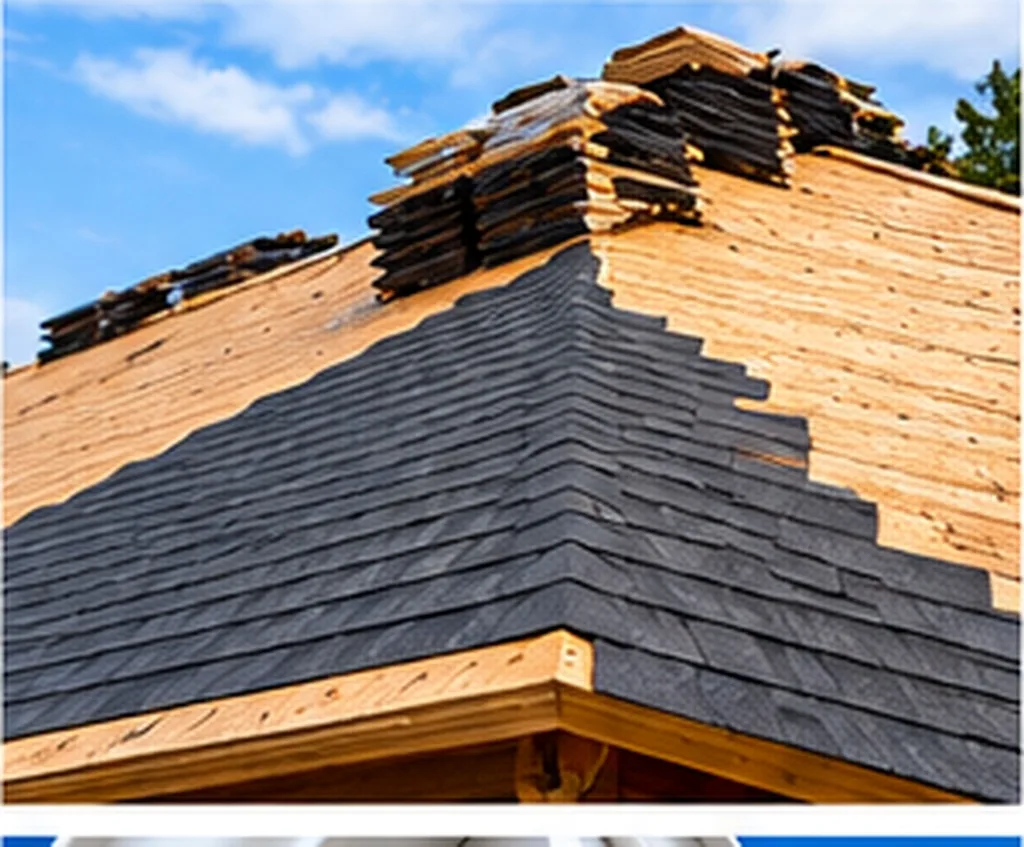
Roofing cost in Colorado is driven by roof area and pitch, complexity, material selection, how much decking needs replacing, access and storey height, ventilation work, and local permit fees. We do not publish price ranges, because a figure not based on your actual roof is worse than no figure at all.
Why we do not publish prices
Plenty of roofing sites publish cost-per-square-foot ranges. We think they do more harm than good, for a straightforward reason: the range is so wide as to be meaningless, and anchoring on a number you found online makes it harder to evaluate the quote you actually receive.
Two Colorado homes of identical square footage can differ by a large multiple in roofing cost. A single-storey gable roof with easy access and sound decking is a fundamentally different job from a two-storey cut-up roof with multiple valleys, dormers, a tile covering and a dumpster that has to go three properties away.
What is genuinely useful is understanding which factors move the number. Then when you get a quote, you can read it critically — and spot what a suspiciously low bid has left out.
The factors that actually drive the cost
Roofing is quoted in squares — one square equals 100 square feet of roof surface. But area is only the starting point.
| Factor | Effect on cost | Why |
|---|---|---|
| Roof area (squares) | Direct and proportional | More material and more labour. The baseline figure every quote starts from. |
| Pitch | Significant | Steep roofs require staging and fall protection, slow installation considerably, and in Colorado are common. Above a certain pitch, labour cost rises sharply. |
| Complexity | Significant | Valleys, dormers, hips, skylights and chimneys each need custom flashing and fabrication. A cut-up roof costs far more than a simple gable of the same area. |
| Material | Significant | Asphalt is the baseline. Impact-rated Class 4, metal, tile and synthetic step up from there — in material cost and often in labour too. |
| Decking replacement | Variable, often unknown upfront | Only visible at tear-off. Good contractors state a per-sheet price in the contract so you are not negotiating mid-job. |
| Number of layers to remove | Moderate | Multiple existing layers mean more tear-off labour and more disposal. Common on older Colorado homes. |
| Access and storey height | Moderate to significant | Narrow lots, limited dumpster placement, mature trees and multi-storey work all slow a crew down. |
| Ventilation work | Moderate | Correcting inadequate intake or exhaust adds cost but extends the life of the new roof. Worth doing during a replacement. |
| Permit fees | Small but mandatory | Every Colorado roofing project requires a local permit before work begins. A quote that omits it is incomplete. |
| Season and demand | Variable | After a major hail event, demand across a whole region spikes and pricing and lead times reflect that. |
How to read a roofing quote
The most useful thing you can do with multiple quotes is make sure they describe the same work before comparing the totals. A cheaper bid is very often a thinner scope rather than a better price.
Check the material specification — not just "architectural shingles" but the actual product and whether it is impact-rated. Check whether a full tear-off is included or an overlay is proposed. Check what underlayment is specified and whether ice-and-water barrier is included at eaves, valleys and penetrations. Check whether new flashing is included or existing flashing is being reused. Check the ventilation plan, including intake, not just ridge vents.
Then check the commercial terms: is the permit included, what is the per-sheet price for decking replacement, what warranty applies to material and separately to workmanship, and what is the payment schedule. A large deposit demanded before materials are delivered is a warning sign.
When insurance is paying
A storm claim changes the economics completely, and it is worth understanding how before you start collecting quotes.
With an insurance claim the scope is negotiated with your carrier rather than quoted as a competitive lump sum. The insurer issues a scope of loss, your contractor reviews it against what the roof actually needs, and where something has been missed a supplement is requested. Your out-of-pocket cost is typically your deductible, plus any upgrades you choose beyond what the policy covers.
That upgrade point is where many Colorado owners get good value. Stepping up to an impact-rated Class 4 product during a claim-funded replacement usually costs the difference between the covered material and the upgraded one rather than the full price — and several Colorado insurers offer a premium discount for Class 4. Our insurance claim guide covers the process, and the roof replacement page covers material selection.
Where cutting cost makes sense and where it does not
There are legitimate ways to reduce the cost of a roofing project and there are false economies, and the difference is worth understanding.
Reasonable: choosing a standard architectural shingle rather than a premium line if hail exposure in your area is lower; scheduling outside peak post-storm demand if the roof can safely wait; handling your own landscaping protection; and keeping the existing roof geometry rather than adding features.
False economies: skipping the tear-off in favour of an overlay, which hides deck condition and complicates future claims; reusing old flashing, which is where most leaks begin; omitting ice-and-water barrier at vulnerable areas; ignoring inadequate ventilation, which shortens the life of the roof you just bought; and choosing a contractor who is cheaper because they are not pulling a permit or carrying proper insurance. That last one is not a saving — it is a transfer of risk onto you.
Roofing costs in Colorado — common questions
Why will you not give me a price range?
Because the honest range is so wide as to be useless, and anchoring on an online figure makes it harder to evaluate your actual quote. Two Colorado homes of identical square footage can differ by a large multiple depending on pitch, complexity, material and access. A free inspection produces a real number.
What is a "square" in roofing?
One square equals 100 square feet of roof surface. Roofing material and labour are quoted in squares rather than square feet. It is the baseline unit every quote starts from, though pitch and complexity modify what each square actually costs to install.
Should I always choose the cheapest quote?
Not without checking that the quotes describe the same work. A lower bid is very often a thinner scope — reused flashing, no ice-and-water barrier, an overlay instead of a tear-off, or no permit. Compare the specifications line by line before comparing totals.
How much extra does decking replacement cost?
It depends how much needs replacing, which is only visible once the old roofing comes off. What matters is that the contract states a per-sheet price upfront, so you are agreeing a rate in advance rather than negotiating in the middle of the job with an open roof.
Does a permit really add to the cost?
Yes, though it is a small part of the total. Every roofing project in Colorado requires a permit from the local jurisdiction before work begins, and the fee varies by municipality. A quote that omits the permit is incomplete, and a contractor suggesting you skip it is proposing you take on their risk.
Get a free roof inspection
Call and we will connect you with an independent local roofing contractor who covers your area. Most storm damage inspections are free.
(720) 791-0495Mon–Fri 7am–7pm · Sat 8am–5pm · Sun 9am–4pm (MT)