
Roof Leak Repair in Colorado
Roof leak repair across Colorado.
- Free storm damage inspections
- Independent local contractors
- Written scope and documentation
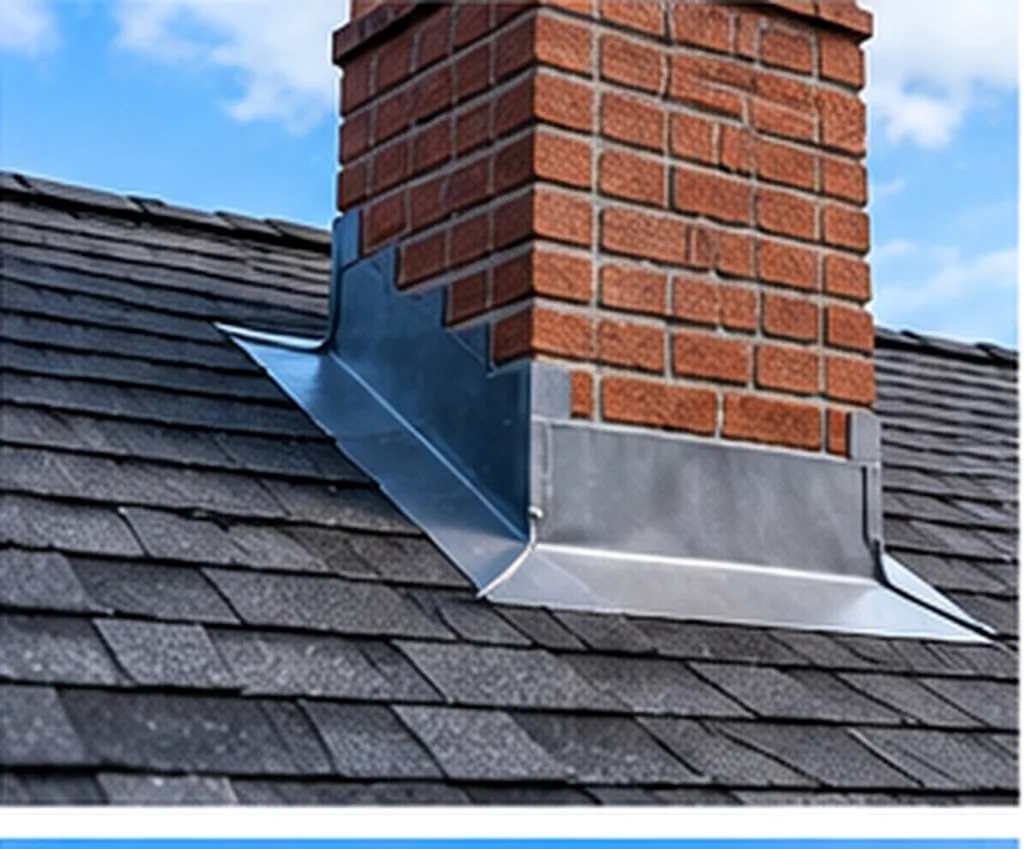
Roof leak repair means finding where water is actually entering the roof system and sealing that entry point — which is rarely directly above the stain on your ceiling. Water travels along rafters and decking before it drops, so proper leak repair starts with tracing the path rather than patching the visible damage.
Why the leak is not where you think it is
This is the single most important thing to understand about roof leaks, and it is why patching the spot above a ceiling stain so often fails.
Water entering a roof does not fall straight down. It runs along the underside of the decking, travels down a rafter, follows a pipe or a wire, pools on top of the ceiling drywall, and finally drops through at the lowest or weakest point. The entry point can be several metres away from where you see the damage, frequently further up the slope and often on a different part of the roof entirely.
A contractor who goes straight to the spot above the stain and applies sealant is guessing. Proper diagnosis works backwards from the stain — into the attic to trace the water path along the framing, then onto the roof to examine the suspected entry area. Sometimes it takes a water test, running a hose over sections of the roof in sequence while someone watches inside.
Where Colorado roofs actually leak
Leaks concentrate at transitions and penetrations, not in the open field of the roof. If you know the usual suspects, the diagnosis makes more sense.
| Leak source | What goes wrong | Typical warning sign |
|---|---|---|
| Plumbing vent boots | The rubber collar cracks under UV exposure — often the first component to fail on a Colorado roof. | Stain on a ceiling directly below or slightly downslope of a vent pipe. |
| Step and counter flashing | Flashing at a wall, chimney or dormer corrodes, separates or was never installed correctly. | Staining on an interior wall rather than a ceiling, often worse in wind-driven rain. |
| Valleys | Debris accumulates and holds water, or valley metal fails. Valleys carry the highest water volume on the roof. | Staining along a line that corresponds to a roof valley above. |
| Skylights | Seals degrade, or the flashing kit around the curb fails. | Water appearing at the skylight frame or on the ceiling immediately around it. |
| Ice dams | Meltwater backs up under the shingle course at the eave and enters the structure. | Seasonal staining along exterior walls, appearing only in winter. |
| Nail pops and exposed fasteners | Fasteners back out with thermal cycling, leaving a direct path to the deck. | Small, isolated stains with no obvious relationship to any penetration. |
| Chimney crowns and masonry | Cracked crown or deteriorated mortar lets water into the chimney structure itself. | Staining around the chimney chase, often mistaken for flashing failure. |
Finding a leak before it does structural damage
By the time a stain appears on a ceiling, water has usually been in the structure for a while. Insulation above that spot is wet and has lost most of its R-value, the framing has been damp through at least one wet-dry cycle, and in a warm attic there may already be mould.
Earlier indicators are available if you know to look. A twice-yearly attic check — once in spring after the snow has gone, once in autumn — catches most problems before they reach the ceiling.
In the attic, look for daylight through the deck, dark staining or streaking on the underside of the sheathing or on rafters, insulation that is compressed or discoloured, rusty nail points, and any musty smell. On the exterior, watch for granules collecting at downspouts, cracked or missing pipe boots, and separated flashing. Any of these warrants a professional inspection before it becomes an interior problem.
Repairing the leak properly
Once the entry point is confirmed, the repair depends on what failed. A cracked pipe boot is replaced, not sealed over — sealant on a failed boot buys a season at best. Failed flashing is removed and re-formed, which usually means lifting the surrounding shingle courses to do it correctly. Valley problems may need the valley metal replaced. Where water has been entering for a long time, damaged decking is cut out and replaced before anything goes back down.
Beware of the sealant-only repair. A contractor who applies roofing cement over a problem area and leaves has not repaired anything; they have deferred it, and in Colorado UV that patch will fail within a year or two. Ask specifically what is being replaced versus sealed.
If the leak is one of several problems, or the roof is already well into its service life, repair may not be the economical answer. A contractor should tell you honestly when replacing the roof makes more sense than another repair, and explain why. Where the leak traces back to a storm, there may also be an insurance claim — see storm damage roof repair for how that works.
Leaks that are not actually roof leaks
A meaningful share of suspected roof leaks turn out to be something else, and a good contractor will tell you that rather than selling you a roof repair.
Condensation is the most common impostor, especially in winter. A poorly ventilated attic lets warm moist indoor air reach a cold roof deck, where it condenses and drips — producing stains that look exactly like a leak but appear in cold weather with no precipitation. The fix is ventilation, not roofing.
Other culprits include failed window or door flashing letting wind-driven rain into the wall assembly, plumbing leaks in a wall or ceiling cavity, condensation on uninsulated HVAC ducts running through the attic, and ice damming, which is a roof-related problem but needs an insulation and ventilation solution rather than a covering repair.
Whichever situation applies to you, the starting point is the same: an inspection from a contractor who can legally work at your address. We connect property owners with Colorado roofing contractors across all fifty cities we cover, matched by jurisdiction rather than by whoever happens to be nearest. If you are weighing this service against another option, our overview of roofing help across Colorado sets out everything we help with.
Roof Leak Repair — common questions
How much does it cost to fix a roof leak?
It varies enormously, because "a leak" covers everything from a cracked vent boot to a failed valley with rotted decking beneath it. The diagnosis determines the cost, which is why a contractor who quotes a leak repair over the phone without seeing it is guessing. Get the inspection first.
Can a roof leak be fixed in the rain?
A temporary measure can be put in place to stop water entry in wet conditions, but a permanent repair generally needs a dry surface — sealants and adhesives will not bond properly otherwise, and working on a wet roof is dangerous. Expect stabilisation now and the real repair when conditions allow.
Why does my roof only leak sometimes?
Intermittent leaks usually depend on conditions. Wind-driven rain from a particular direction can reach a flashing defect that vertical rain does not. Ice dams only produce water during melt cycles. Heavy sustained rain can overwhelm a valley that handles light rain fine. The pattern is a useful diagnostic clue — tell your contractor exactly when it leaks.
Will my insurance cover a roof leak?
Generally only if the leak results from a sudden covered event, such as storm damage. Leaks caused by age, wear or lack of maintenance are typically excluded, and damage that developed gradually from a known problem may be denied on those grounds. Documenting the storm connection early matters.
How long can I leave a small roof leak?
Not long. A small leak soaks insulation, which loses its R-value and stays wet; it wets framing repeatedly; and in a warm attic it can start mould growth within days. What is a straightforward repair now becomes a decking and drywall job in a few months.
Roof Leak Repair across Colorado
We connect property owners with contractors offering roof leak repair in every city we cover. These are our busiest areas for this service:
See all 50 Colorado cities we cover →
Related roofing services
Get a free roof leak repair quote
Call and we will connect you with an independent local roofing contractor covering your area.
(720) 791-0495Mon–Fri 7am–7pm · Sat 8am–5pm · Sun 9am–4pm (MT)