
Roofing Contractors in Northern Colorado
Roofing contractors across northern Colorado — Fort Collins, Boulder, Greeley, Longmont, Loveland and the eastern plains.
- 16 cities covered
- Independent local contractors
- Free storm inspections
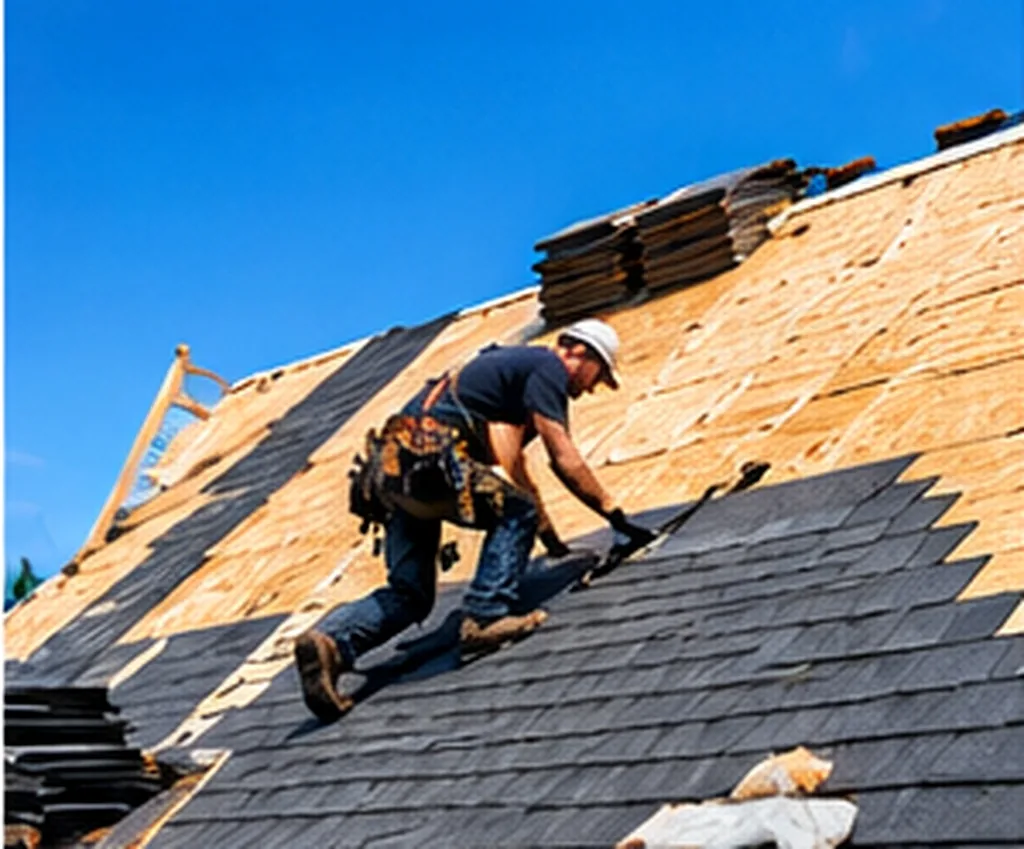
Northern Colorado roofs face two distinct seasonal risks: downslope windstorms off the Front Range in winter and early spring, and hail arriving off the plains through the warm season. The Boulder corridor experiences the strongest sustained winds in the state.
Wind and hail: the northern Colorado double exposure
The defining characteristic of roofing in this region is that it faces two separate threats in two separate seasons, and a roof specified for only one of them is exposed for half the year.
The wind side is the more distinctive. Air descending off the Front Range compresses and accelerates, and the canyons above Boulder concentrate that flow dramatically. Downslope windstorms through this corridor — affecting Boulder, Superior, Louisville and Broomfield most severely — produce the strongest sustained winds in Colorado, concentrated between late autumn and early spring.
The hail side arrives in the warm season, and the exposure increases as you move east. Greeley, Windsor and the Weld County communities sit on open plains where storms arrive with nothing to weaken them. The 2008 Windsor tornado remains one of only two of Colorado's most costly storm events not centred on the Denver metro.
Why perimeter attachment matters more here
Wind damages a roof at its edges, not in the middle. Uplift pressure peaks at starter courses, rake edges, ridge caps and hips, which is where shingles lift and where a failure propagates from.
That makes installation detail more important than product selection in this region. A premium shingle installed with sloppy edge detailing will fail before a mid-range shingle installed properly. When you are comparing quotes for northern Colorado work, ask specifically about starter course installation, rake edge treatment, ridge and hip attachment, and nailing pattern — and treat a contractor who cannot discuss those confidently as a warning sign.
Our storm damage roof repair page covers the mechanics of wind damage in more detail, including why a wind-lifted shingle that looks undamaged from the ground is still a problem.
The region beyond the Front Range
Northern Colorado extends well past the foothills communities into genuinely rural country on the north-eastern plains. Sterling and Fort Morgan sit out in agricultural country where the roofing market works differently — fewer contractors, longer travel distances, and a substantial share of agricultural and outbuilding work alongside residential roofs.
Storm exposure out there is as unmitigated as anywhere in Colorado. Severe thunderstorms crossing the plains produce large hail and powerful straight-line winds with absolutely nothing in the terrain to weaken them. Wind-driven grit from dry agricultural ground adds a constant abrasive factor that wears shingle granules faster than in built-up areas.
The practical constraint in these communities is contractor availability after a widespread storm. We will tell you honestly what the realistic timeframe looks like rather than quoting a response nobody can deliver — and calling early genuinely improves your position. You can reach our statewide roofing network from anywhere in the region.
Cities we cover in Northern Colorado
Each city page covers the local housing stock, storm exposure and permitting arrangements for that specific community, along with the roofing services most requested there.
- Roofing in Fort Collins
- Roofing in Greeley
- Roofing in Longmont
- Roofing in Loveland
- Roofing in Boulder
- Roofing in Lafayette
- Roofing in Louisville
- Roofing in Superior
- Roofing in Erie
- Roofing in Windsor
- Roofing in Evans
- Roofing in Johnstown
- Roofing in Firestone
- Roofing in Frederick
- Roofing in Sterling
- Roofing in Fort Morgan
Northern Colorado roofing questions
Why is Boulder so much windier than the rest of Colorado?
Boulder sits at the base of the Flatirons at the mouth of several canyons. Air descending off the Front Range compresses and accelerates, and the canyon topography concentrates that flow directly onto the city. These downslope windstorms produce the strongest sustained winds in the state.
Should northern Colorado roofs be specified for wind or hail?
Both. The region faces downslope wind in winter and early spring and hail through the warm season. A specification addressing only one leaves the property exposed for half the year, so wind rating, impact resistance and careful perimeter attachment all matter here.
How long does it take to get a roofer out to the eastern plains?
Longer than on the Front Range. Fewer crews are based in communities like Sterling and Fort Morgan, and after a regional storm they are covering a very large area. We give realistic timeframes rather than optimistic ones, and calling early after a storm materially improves your position.
Find a roofer in Northern Colorado
Call and we will connect you with an independent local roofing contractor who covers your area. Most storm damage inspections are free.
(720) 791-0495Mon–Fri 7am–7pm · Sat 8am–5pm · Sun 9am–4pm (MT)