
Roofing Contractors in the Denver Metro Area
Roofing contractors across the Denver metro — Denver, Aurora, Lakewood, Thornton, Arvada and more.
- 20 cities covered
- Independent local contractors
- Free storm inspections
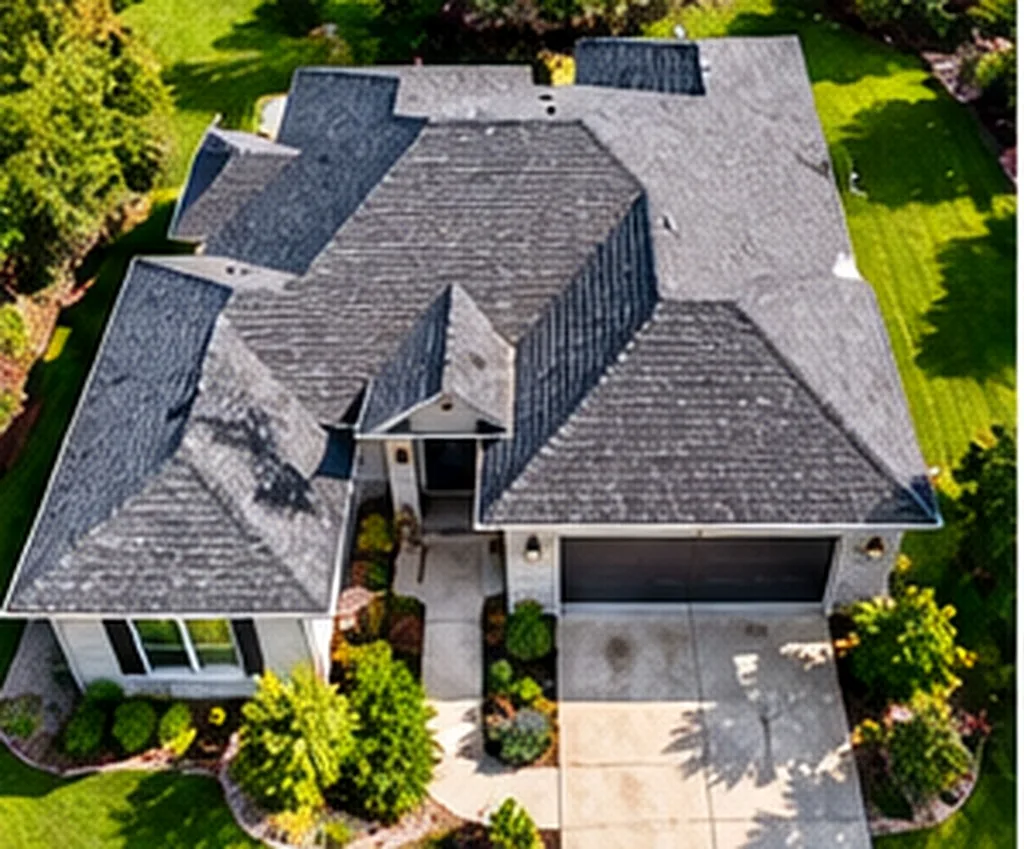
The Denver metro area holds the largest concentration of property in Colorado and, consequently, the state's heaviest roofing losses. With the exception of the 2008 Windsor tornado and the 2009 Pueblo hailstorm, Colorado's most costly hail events have all been centred here.
What makes Denver metro roofing different
Three factors define roofing across the metro. The first is hail: the Front Range sits in the heart of Hail Alley, the corridor receiving the highest frequency of large hail in North America, and the metro's property density turns each storm into a major insured loss event.
The second is the sheer range of housing. The metro spans 1920s brick bungalows in central Denver, post-war ranches across Northglenn, Aurora and Wheat Ridge, 1980s suburban development through Centennial and Highlands Ranch, and current construction on the fringes at Erie, Reunion and Castle Rock. Each era brings different decking, different roof geometry and different ventilation assumptions.
The third is jurisdictional complexity. There is no statewide roofing licence in Colorado, so roofers are licensed and permitted locally — and the metro contains dozens of separate authorities. Denver runs its own contractor licensing. Broomfield is a consolidated city and county. Highlands Ranch is unincorporated and permits through Douglas County. A contractor licensed in one jurisdiction is not automatically able to work in the next one over.
Storm patterns across the metro
Hail does not fall evenly across the metro, and understanding the pattern helps explain why your neighbourhood may be re-roofing while another is not.
Storms generally track from the south-west or west toward the north-east, and the Palmer Divide to the south — the elevated ground around Castle Rock and Monument — generates and intensifies convective activity that then moves across the southern and eastern metro. That puts Castle Rock, Parker and Highlands Ranch in an especially active zone.
The eastern suburbs face a different exposure: open plains to the east mean storms arriving with nothing to weaken them, which is why Aurora and Commerce City see concentrated damage in their newer eastern developments. Meanwhile the western foothills communities — Golden, Lakewood and western Arvada — contend with downslope windstorms in winter that strip shingles entirely outside hail season.
Getting a contractor after a metro-wide storm
The practical reality of a major Denver metro hail event is that demand spikes across an enormous area simultaneously. Thousands of properties need inspection within days, established contractors book out quickly, and out-of-state storm-chasing operators arrive to work neighbourhoods door to door.
Calling early makes a measurable difference to your scheduling position. So does knowing what to avoid: under Colorado law a residential roofing contractor cannot pay, waive or rebate your insurance deductible, and an offer to do so is the clearest single indication you should not hire that company. Our Colorado roof insurance claim guide covers your statutory protections in full.
We maintain contractor coverage across all twenty metro communities listed below, matched to the jurisdiction your property actually sits in. If you are not sure whether your address is inside a city boundary or in unincorporated county land — a surprisingly common situation around Littleton, Parker and Highlands Ranch — that is something we sort out when you call our Colorado roofing line.
Cities we cover in Denver Metro
Each city page covers the local housing stock, storm exposure and permitting arrangements for that specific community, along with the roofing services most requested there.
- Roofing in Denver
- Roofing in Aurora
- Roofing in Lakewood
- Roofing in Thornton
- Roofing in Arvada
- Roofing in Westminster
- Roofing in Centennial
- Roofing in Highlands Ranch
- Roofing in Littleton
- Roofing in Parker
- Roofing in Castle Rock
- Roofing in Commerce City
- Roofing in Brighton
- Roofing in Northglenn
- Roofing in Englewood
- Roofing in Wheat Ridge
- Roofing in Golden
- Roofing in Broomfield
- Roofing in Lone Tree
- Roofing in Greenwood Village
Denver Metro roofing questions
Why are Denver metro hailstorms the costliest in Colorado?
Because the metro holds the largest concentration of property in the state. A hailstorm of a given intensity simply damages far more buildings here than the same storm would crossing open country. With the exception of the 2008 Windsor tornado and the 2009 Pueblo hailstorm, Colorado's most costly storm events have been centred on the Denver metro.
Does a contractor licensed in Denver work anywhere in the metro?
No. Colorado has no statewide roofing licence, and the metro contains dozens of separate licensing and permitting authorities. Denver runs its own contractor licensing programme; Broomfield is a consolidated city and county; Highlands Ranch permits through Douglas County. Your contractor needs to be able to work in your specific jurisdiction.
Which parts of the metro see the most severe weather?
The southern metro around the Palmer Divide sees frequent convective activity, the eastern suburbs face storms arriving off open plains with nothing to weaken them, and the western foothills communities take downslope windstorms in winter. Each area has a distinct exposure profile rather than one metro-wide pattern.
Find a roofer in Denver Metro
Call and we will connect you with an independent local roofing contractor who covers your area. Most storm damage inspections are free.
(720) 791-0495Mon–Fri 7am–7pm · Sat 8am–5pm · Sun 9am–4pm (MT)